Understanding the Basics of Yoga at Home for Beginners
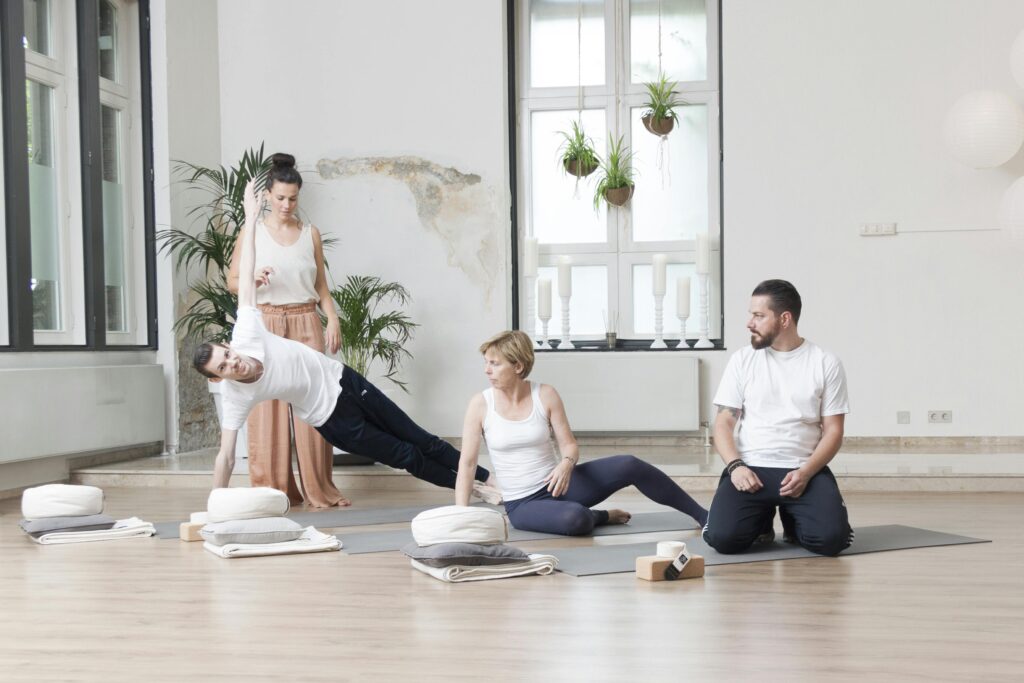
Starting yoga at home for beginners is one of the easiest ways to build a healthy routine and improve both physical and mental well-being.
Starting yoga at home can feel a little confusing in the beginning, especially if you have never practiced before. Many beginners think they need perfect flexibility or a lot of space, but that is not true at all. Yoga is a personal journey, and it begins with small, simple steps. You don’t need expensive equipment or a professional setup to get started. A quiet corner in your home and a simple mat are more than enough.
The most important thing is to understand that yoga is not just about physical poses. It is a combination of movement, breathing, and awareness. When you practice regularly, you slowly begin to connect your body and mind. This connection helps you stay calm, focused, and more present in your daily life. Starting at home also gives you the freedom to learn at your own pace without any pressure.
Another advantage of practicing yoga at home is comfort. You can choose your own time, your own space, and move at a speed that suits your body. This makes it easier to stay consistent in the long run. As a beginner, focusing on building a routine is more important than trying advanced poses.
Choosing the Right Yoga Style for Beginners at Home
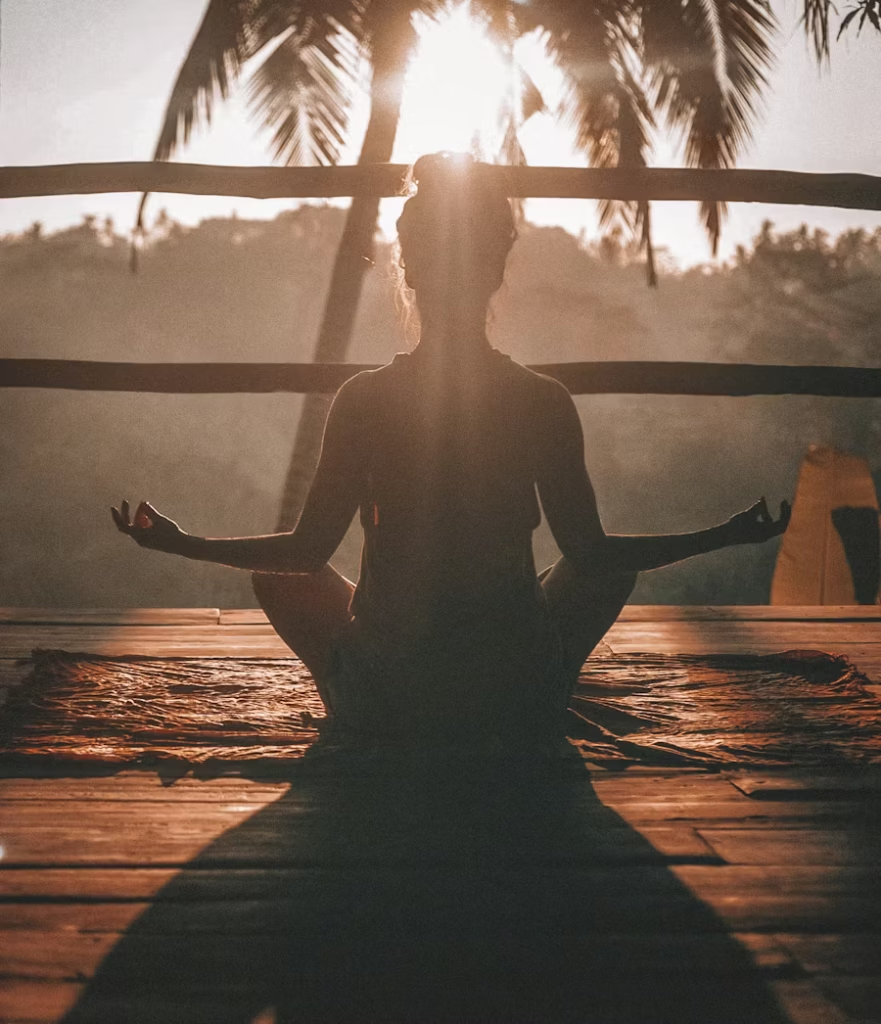
When starting yoga at home, choosing the right style is very important. There are many types of yoga, but beginners should always start with simple and slow-paced practices. Styles like Hatha Yoga or basic stretching routines are perfect because they focus on gentle movements and breathing. These styles help your body adjust without putting too much pressure on muscles.
It is important to avoid jumping into advanced or fast-paced yoga styles in the beginning. Doing so can lead to discomfort or even minor injuries. Instead, focus on learning basic poses and understanding how your body responds to each movement. This helps you build a strong foundation for your yoga journey.
You can also follow beginner-friendly videos or simple guided routines. These can help you understand posture, alignment, and breathing techniques properly. Over time, as your confidence grows, you can slowly explore other styles. Starting simple always leads to better long-term results.
How to Create a Comfortable Yoga Space at Homece at Home
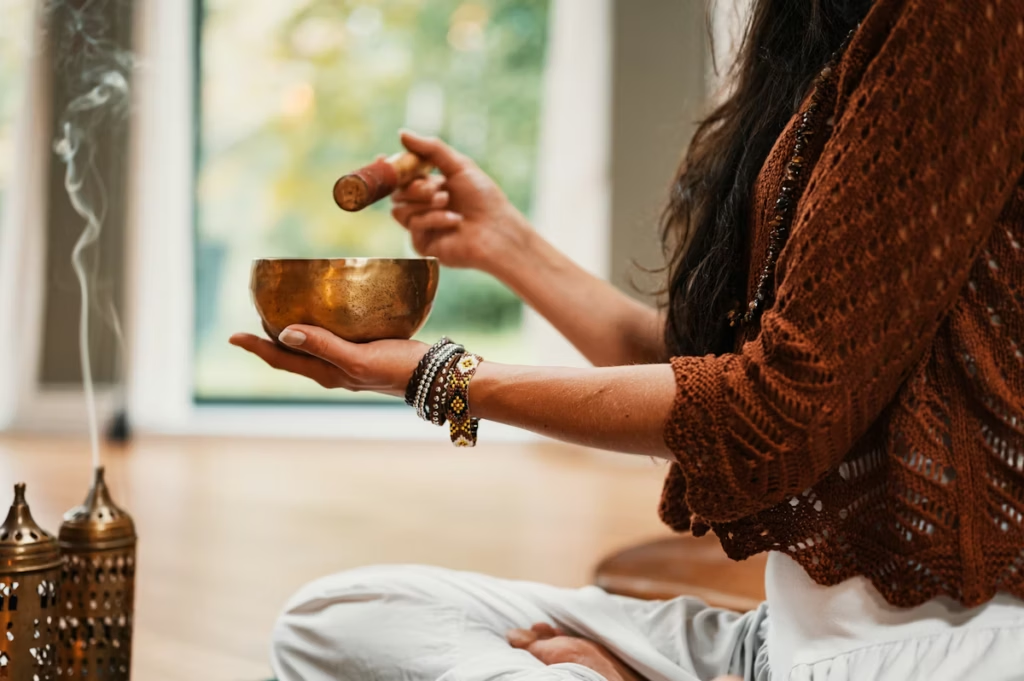
Having a dedicated space for yoga at home can make a big difference in your practice. You don’t need a large room; even a small, clean corner is enough. The key is to keep the area calm, quiet, and free from distractions. This helps you stay focused and relaxed during your practice.
Try to keep your yoga space simple and organized. Use a comfortable mat and wear clothes that allow easy movement. Natural light and fresh air can make the environment more pleasant. You can also add small elements like plants or soft music to create a peaceful atmosphere.
Practicing in the same place every day helps your mind get into a routine. Over time, your brain starts associating that space with relaxation and focus. This makes it easier to stay consistent and enjoy your yoga sessions more.
Simple Daily Yoga Routine for Beginners at Home
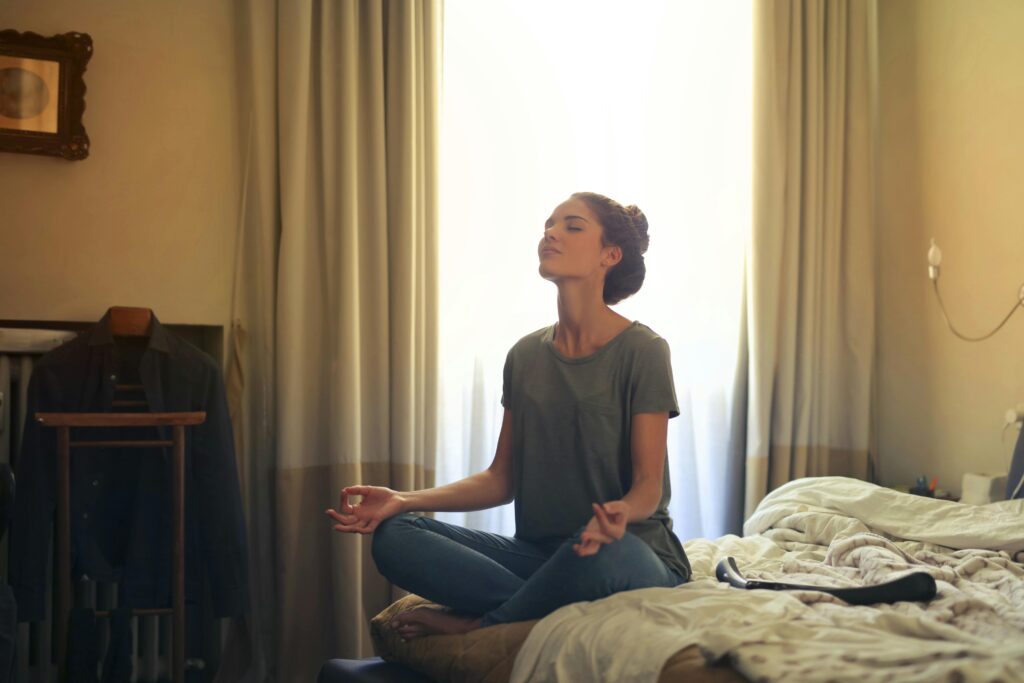
Creating a daily routine is one of the most important steps when starting yoga at home. As a beginner, you don’t need to practice for long hours. Even 15 to 20 minutes a day is enough to begin with. The key is to stay consistent rather than focusing on duration.
Start your routine with simple stretches and basic poses. Focus on your breathing and move slowly through each position. This helps your body warm up and prevents strain. Over time, you can gradually increase your practice time and include more poses.
Choosing the right time is also important. Morning yoga can help you feel fresh and energized, while evening practice can help release stress. Pick a time that suits your lifestyle and try to follow it regularly. Consistency is what brings real results in yoga.
Common Mistakes to Avoid When Starting Yoga at Home
Many beginners make small mistakes that can affect their progress. One common mistake is trying to do advanced poses too soon. This can lead to discomfort and reduce motivation. It is always better to start slow and focus on correct form rather than complexity.
Another mistake is ignoring breathing. In yoga, breathing plays a major role in relaxation and balance. Holding your breath or rushing through poses can reduce the effectiveness of your practice. Always try to maintain slow and steady breathing.
Skipping warm-ups or not listening to your body can also create problems. If something feels uncomfortable, it is important to stop and adjust. Yoga is not about pushing limits but about understanding your body. Being patient and consistent will give better results over time.
Benefits of Starting Yoga at Home for Beginnersrting Yoga at Home
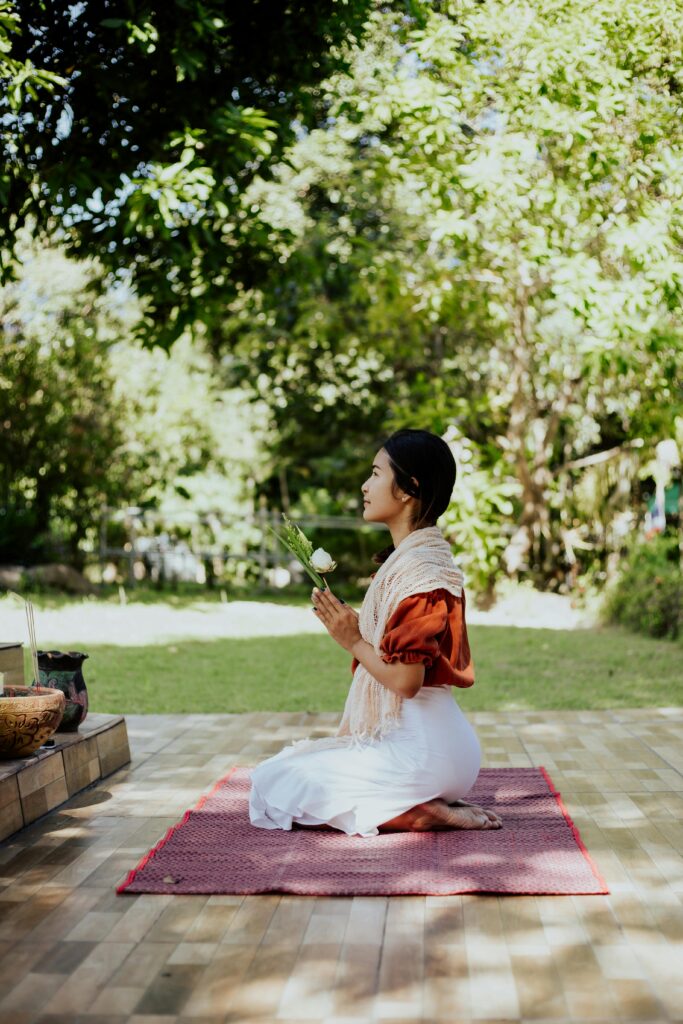
Starting yoga at home offers many physical and mental benefits. It helps improve flexibility, strength, and posture over time. Regular practice also reduces body stiffness and makes daily movements easier. These changes may feel small at first, but they build up with consistency.
Yoga also has a strong impact on mental well-being. It helps reduce stress, improve focus, and create a sense of calm. Practicing at home allows you to disconnect from daily distractions and spend time on yourself. This improves overall balance in life.
With time, yoga becomes a healthy habit that supports a better lifestyle. It builds discipline, increases energy levels, and improves your overall mood. Starting small and staying consistent can lead to long-term positive changes in both body and mind.
Want to see real results with yoga? Join our guided yoga sessions and experience the difference. 👉 Contact us now and start your journey today!