Starting Yoga Too Quickly Without Learning the Basics
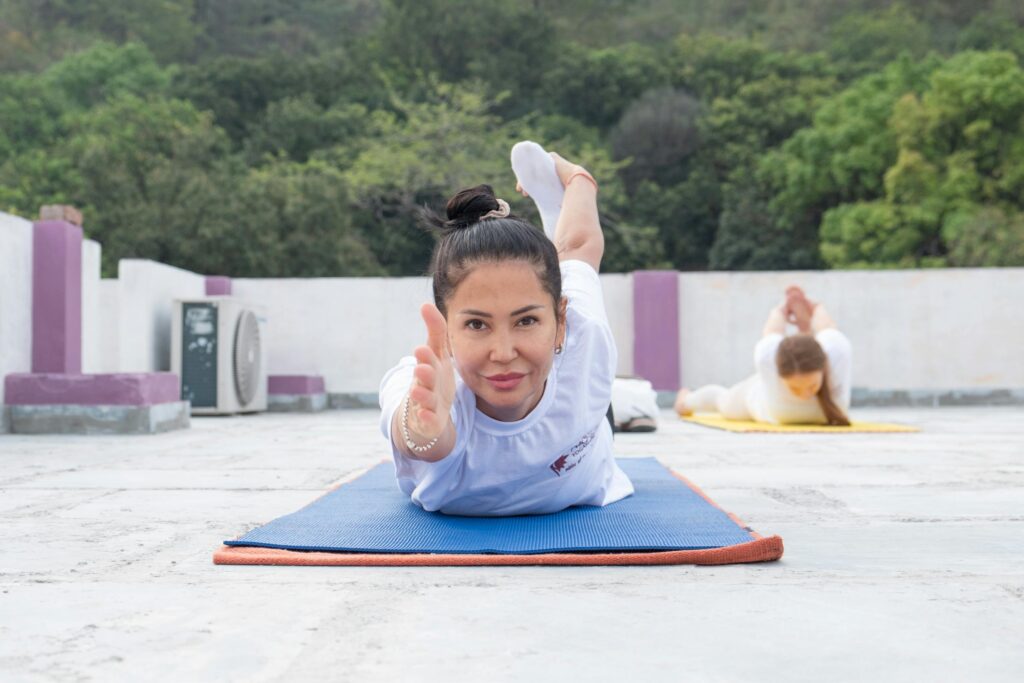
Common yoga mistakes beginners should avoid often start with rushing into practice without understanding the basics.
Many beginners begin yoga with a lot of excitement, but in that enthusiasm, they often skip the basics. It’s common to try advanced poses too early, especially after watching videos online. But yoga is not about performing difficult poses quickly; it’s about building your practice step by step with proper understanding.
When the basics are ignored, the body doesn’t get enough time to adapt. This can lead to poor posture, discomfort, or even small injuries. Simple poses might look easy, but they are essential for building strength and stability. Taking time to learn them properly makes your journey smoother.
Instead of rushing, focus on learning alignment, balance, and basic movements. These fundamentals create a strong base for everything else in yoga. When you go slow in the beginning, your progress becomes more stable and long-lasting.
Not Paying Attention to Breathing in Yoga
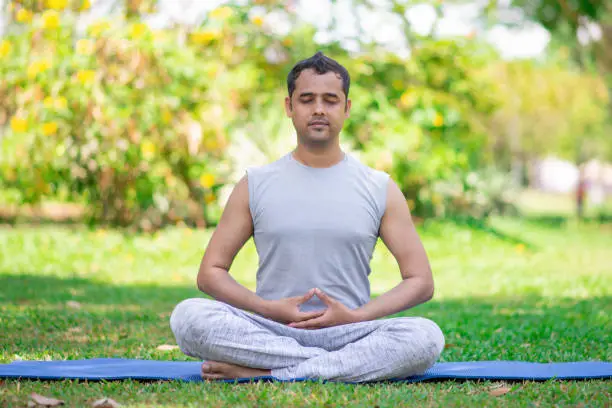
One thing many beginners overlook is their breathing. They focus so much on getting the pose right that they forget to breathe properly. In yoga, breathing is just as important as movement. You can also explore how yoga helps reduce stress in our guide on yoga for stress and anxiety. When both work together, the practice becomes more effective and calming.
Holding your breath or breathing unevenly can make your body feel tense. It becomes harder to stay balanced and relaxed in poses. Proper breathing helps your body stay calm and supports better concentration during practice.
Even simple awareness of your breath can improve your experience. Slow and steady breathing allows you to stay comfortable in each pose. Over time, this connection between breath and movement makes your yoga practice more enjoyable and meaningful.
Pushing the Body Too Hard During Yoga Practice
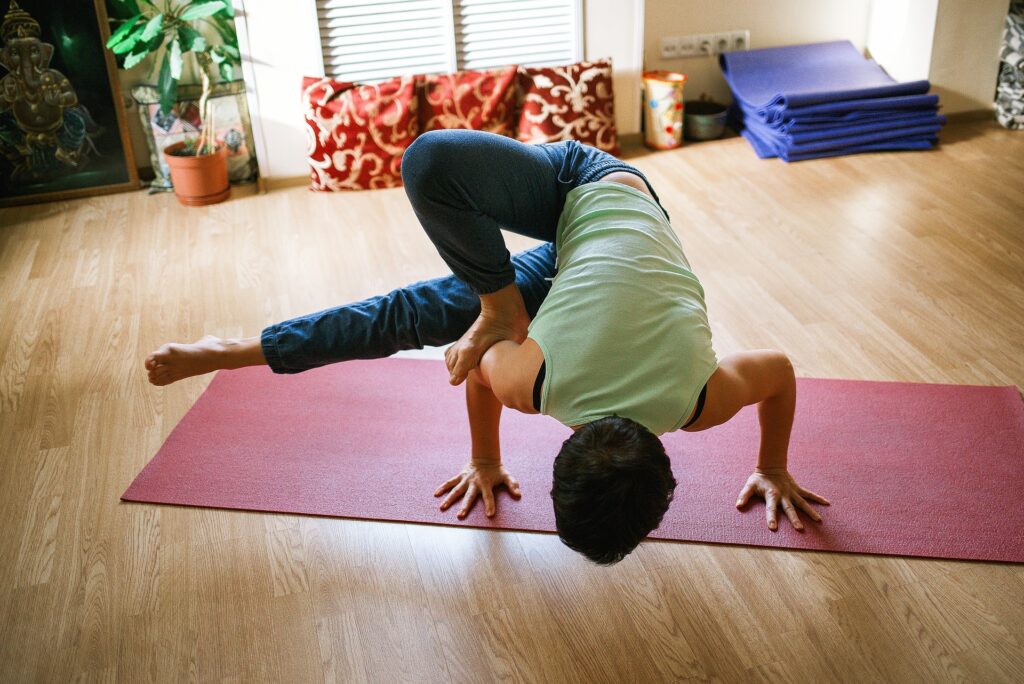
It’s natural for beginners to want quick results, but pushing the body too much can do more harm than good. Trying to achieve perfect poses immediately often leads to strain or discomfort. Yoga is not about forcing your body; it’s about working with it.
Everyone’s body is different, and flexibility takes time to develop. Comparing yourself with others can create unnecessary pressure. Instead, it’s better to focus on your own pace and celebrate small improvements along the way.
When you practice with patience, your body gradually becomes more flexible and strong. Listening to your body helps prevent injuries and keeps your practice safe. Yoga should feel comfortable and relaxing, not stressful.
Practicing Yoga Inconsistently as a Beginner
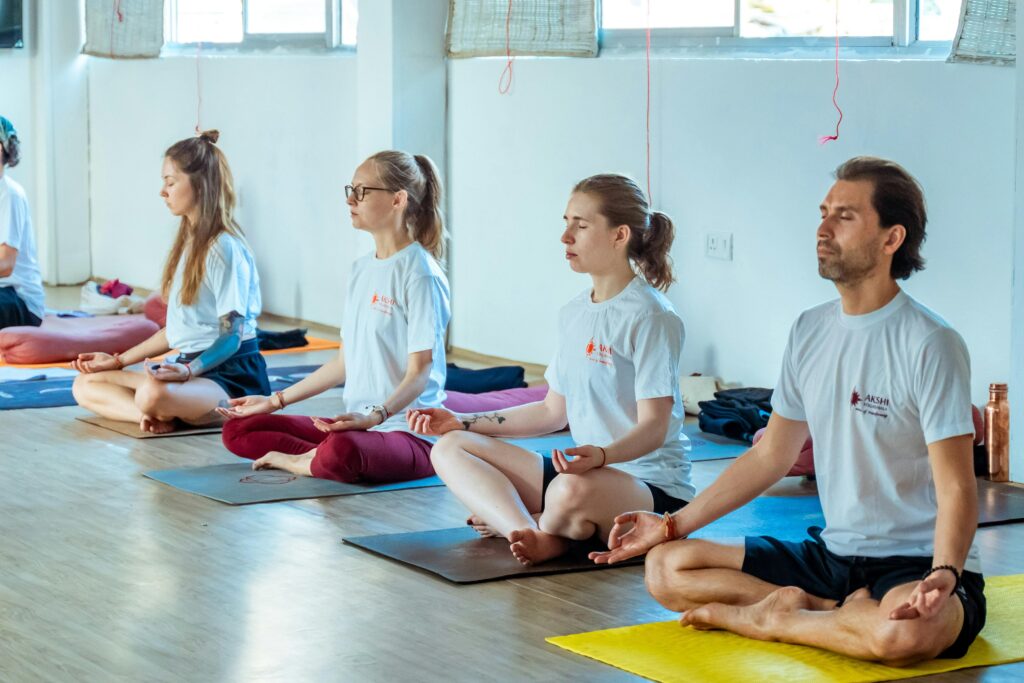
Another common issue beginners face is inconsistency. Practicing for a few days and then stopping for a long time breaks the flow. Yoga works best when it becomes a regular habit rather than something done occasionally.
You don’t need long sessions every day. Even 15–20 minutes of daily practice can bring noticeable improvements. Regular practice helps your body adapt and improves flexibility, strength, and focus over time.
Creating a simple routine can help you stay consistent. To build a proper routine, you can check our guide on daily yoga poses for beginners. Choose a fixed time that fits your schedule and stick to it. When yoga becomes part of your daily life, it feels natural and easier to maintain.
Skipping Warm-Up and Relaxation in Yoga Practice
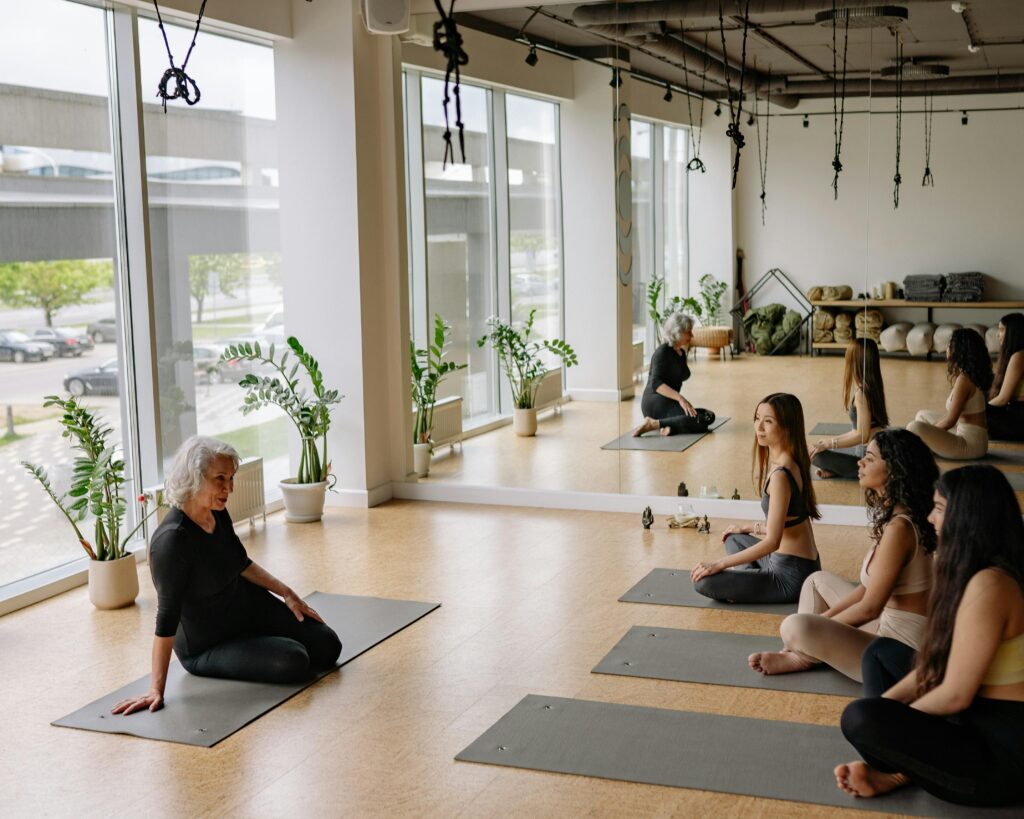
Many beginners jump directly into yoga poses without preparing their body. Skipping warm-up can make muscles stiff and increase the chance of discomfort. A few minutes of gentle stretching helps your body get ready for the practice.
Relaxation at the end is equally important, but often ignored. After completing poses, the body needs time to rest and absorb the benefits. Without this step, the session may feel incomplete.
Adding a short warm-up and a relaxation pose like Shavasana improves the overall experience. It helps the body recover and the mind feel calm. These small steps make a big difference in how effective your practice is.
Not Being Mindful During Yoga Practice
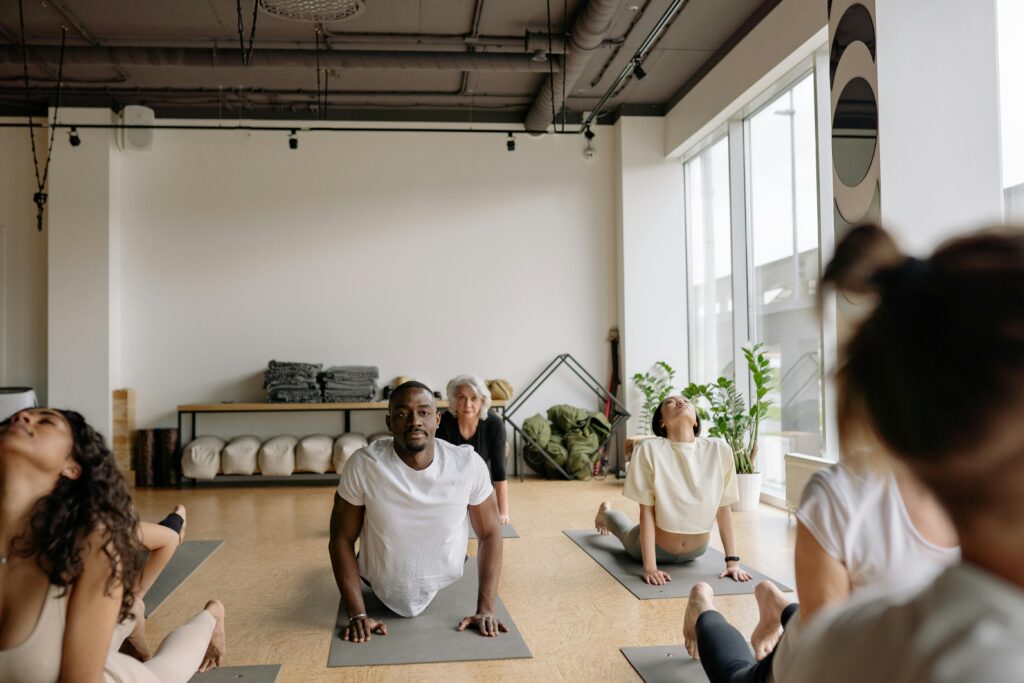
Yoga is more than just physical movement; it’s about awareness. Many beginners go through poses without paying attention to how they feel. This reduces the real benefit of the practice. Being mindful helps you connect with your body better.
When you focus on your breathing and movements, your balance and coordination improve naturally. It also helps calm your mind and reduce stress. Yoga becomes more than just exercise—it becomes a relaxing experience.
Instead of rushing, take your time with each pose. Notice how your body feels and stay present in the moment. This simple habit can improve both your yoga practice and your daily life.
Want to see real results with yoga? Join our guided yoga sessions and experience the difference. 👉 Contact us now and start your journey today!